

Routine HVAC Tune-Ups Help Prepare Heating And Cooling Systems For Peak Seasonal Demand
Routine HVAC tune-ups provide an opportunity to identify small concerns before heavy seasonal operation begins”
SLIDELL, LA, UNITED STATES, July 24, 2026 /EINPresswire.com/ -- — Jennifer Lingo
Heating and cooling systems often experience the greatest workload during periods of extreme temperatures. Whether facing the intense heat and humidity of summer or the colder temperatures that occasionally arrive during winter, HVAC systems operate for longer periods and under greater stress during peak seasons. Routine HVAC tune-ups play an important role in preparing equipment for those demanding conditions by helping identify developing issues before they affect system performance.
Many homeowners wait until an HVAC system begins showing signs of trouble before scheduling service. However, preventative maintenance focuses on identifying worn components, cleaning critical equipment and verifying system operation before heavy seasonal use begins. Regular inspections can help improve efficiency, reduce unexpected breakdowns and extend the operating life of heating and cooling equipment.
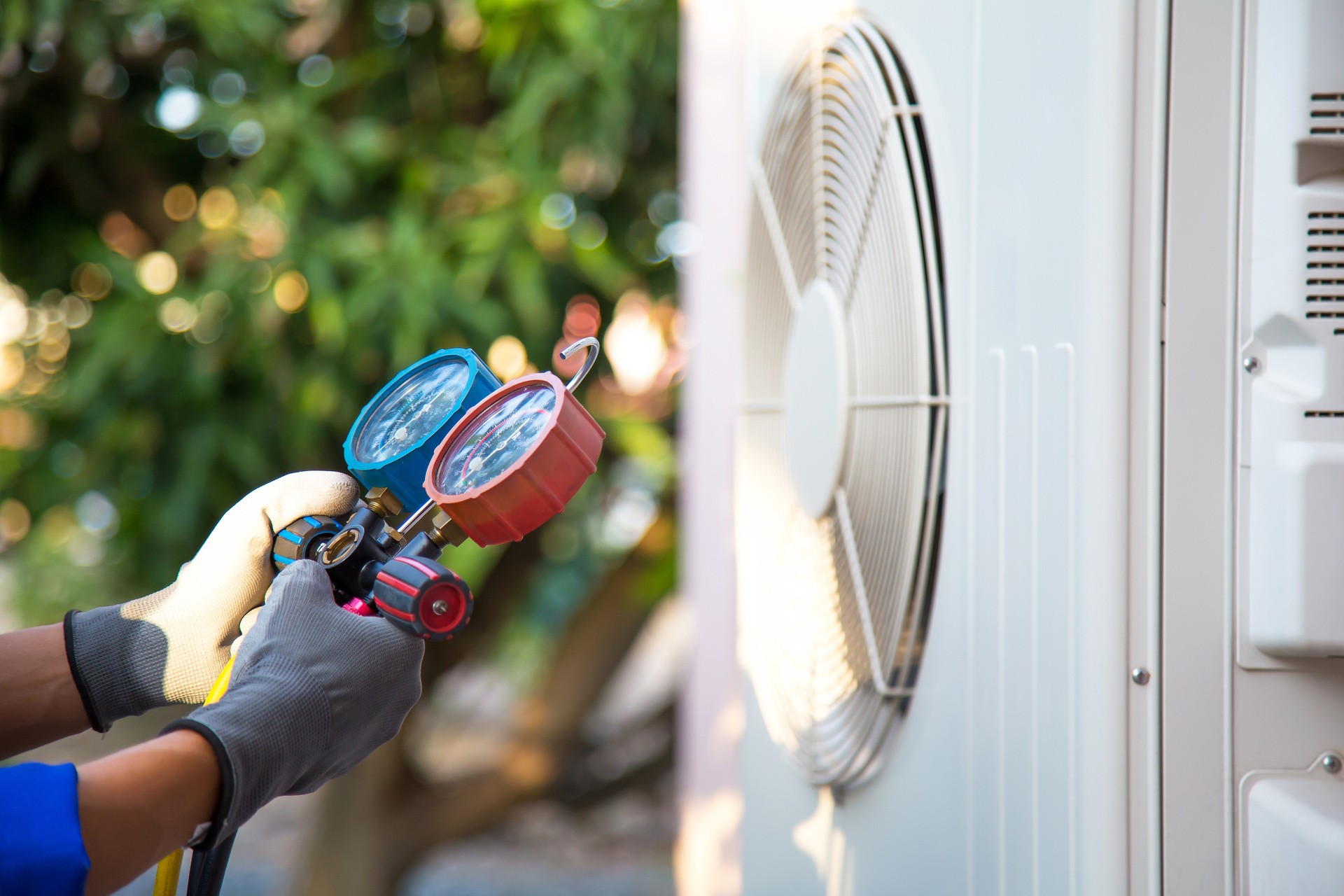
An HVAC tune-up typically involves a comprehensive inspection of major system components. Technicians examine electrical connections, inspect moving parts, test safety controls, evaluate refrigerant levels when applicable and verify that the system operates within manufacturer specifications. These inspections allow small concerns to be identified before they develop into more significant mechanical problems.
Air filters represent one of the simplest yet most important components affecting HVAC performance. A clogged or dirty filter restricts airflow, forcing heating and cooling equipment to work harder to maintain indoor temperatures. Reduced airflow may increase energy consumption while placing additional strain on motors, blowers and compressors. Replacing filters during routine maintenance helps support proper airflow throughout the system.
Evaporator and condenser coils also require periodic attention. Dust, pollen, grass clippings and other debris can accumulate on coil surfaces over time, reducing heat transfer efficiency. Cleaning these components allows systems to operate more effectively while helping maintain consistent indoor comfort during periods of high demand.
Electrical components naturally experience wear as systems operate over many years. Loose wiring, worn contactors, aging capacitors and deteriorating electrical connections may contribute to performance issues or unexpected failures. Routine inspections allow technicians to evaluate these components before seasonal workloads place additional stress on the system.
Refrigerant levels are another important part of air conditioning performance. Systems operating with improper refrigerant levels may experience reduced cooling capacity, longer operating cycles and unnecessary compressor strain. During maintenance visits, technicians evaluate refrigerant conditions and inspect for signs of leaks or other system concerns when appropriate.
Thermostat calibration also contributes to efficient operation. A thermostat that no longer measures indoor temperatures accurately may cause unnecessary cycling or inconsistent comfort throughout a home or commercial building. Verifying proper thermostat operation helps ensure heating and cooling equipment responds correctly to changing indoor conditions.
Drainage systems often receive attention during routine tune-ups as well. Air conditioning systems remove moisture from indoor air, particularly in humid climates throughout Louisiana and Mississippi. Condensate drain lines can become clogged with algae, dirt or debris over time, potentially causing water damage or system shutdowns. Cleaning drain lines helps maintain proper moisture removal during the cooling season.
Blower assemblies also influence airflow throughout a building. Dirt accumulation on blower wheels or worn blower components may reduce air movement, affecting comfort and efficiency. Routine cleaning and inspection help maintain consistent airflow while reducing unnecessary strain on system components.
Outdoor condenser units benefit from seasonal inspections before extended summer operation. Leaves, grass, dirt and vegetation surrounding outdoor equipment may restrict airflow through condenser coils. Clearing debris and maintaining adequate clearance around the unit helps support efficient heat exchange during hot weather.
Heating systems require similar preparation before colder temperatures arrive. Furnaces, heat pumps and other heating equipment contain safety controls and ignition components that should be inspected before regular seasonal operation begins. Identifying worn components before winter can help reduce the likelihood of heating interruptions during colder weather.
Routine maintenance may also contribute to improved indoor air quality. Dust accumulation within HVAC equipment, clogged filters and restricted airflow can influence how effectively air circulates throughout a building. Regular inspections provide opportunities to evaluate system cleanliness while supporting healthier indoor environments.
Energy efficiency often benefits from properly maintained equipment. Heating and cooling systems that operate with clean components, unrestricted airflow and properly functioning mechanical parts generally require less effort to maintain desired indoor temperatures. Although individual energy savings vary depending on system condition and operating habits, preventative maintenance supports efficient operation throughout the year.
Commercial buildings, healthcare facilities, schools and residential homes all rely on HVAC systems to maintain comfortable indoor environments. Preparing equipment before periods of peak demand helps reduce the likelihood of interruptions that could affect occupants or daily operations.
"Routine HVAC tune-ups provide an opportunity to identify small concerns before heavy seasonal operation begins," said Jennifer Lingo with LOUMIS Air, serving multiple locations throughout Louisiana and Mississippi. "Inspecting equipment, cleaning components and verifying system performance helps prepare heating and cooling systems for the increased workload that often accompanies extreme weather conditions."
As seasonal temperatures continue placing significant demands on heating and cooling equipment, preventative maintenance remains an important part of responsible HVAC ownership. Regular tune-ups support system reliability, improve operating efficiency and help prepare residential and commercial HVAC systems for the challenges associated with peak heating and cooling seasons.
Morgan Thomas
Rhino Digital, LLC
+1 504-875-5036
email us here
Visit us on social media:
Facebook
Legal Disclaimer:
EIN Presswire provides this news content "as is" without warranty of any kind. We do not accept any responsibility or liability for the accuracy, content, images, videos, licenses, completeness, legality, or reliability of the information contained in this article. If you have any complaints or copyright issues related to this article, kindly contact the author above.
